The Reform of New Bruswick’s Clean Air Act and Clean Water Act: Our Recommendations and What Comes Next
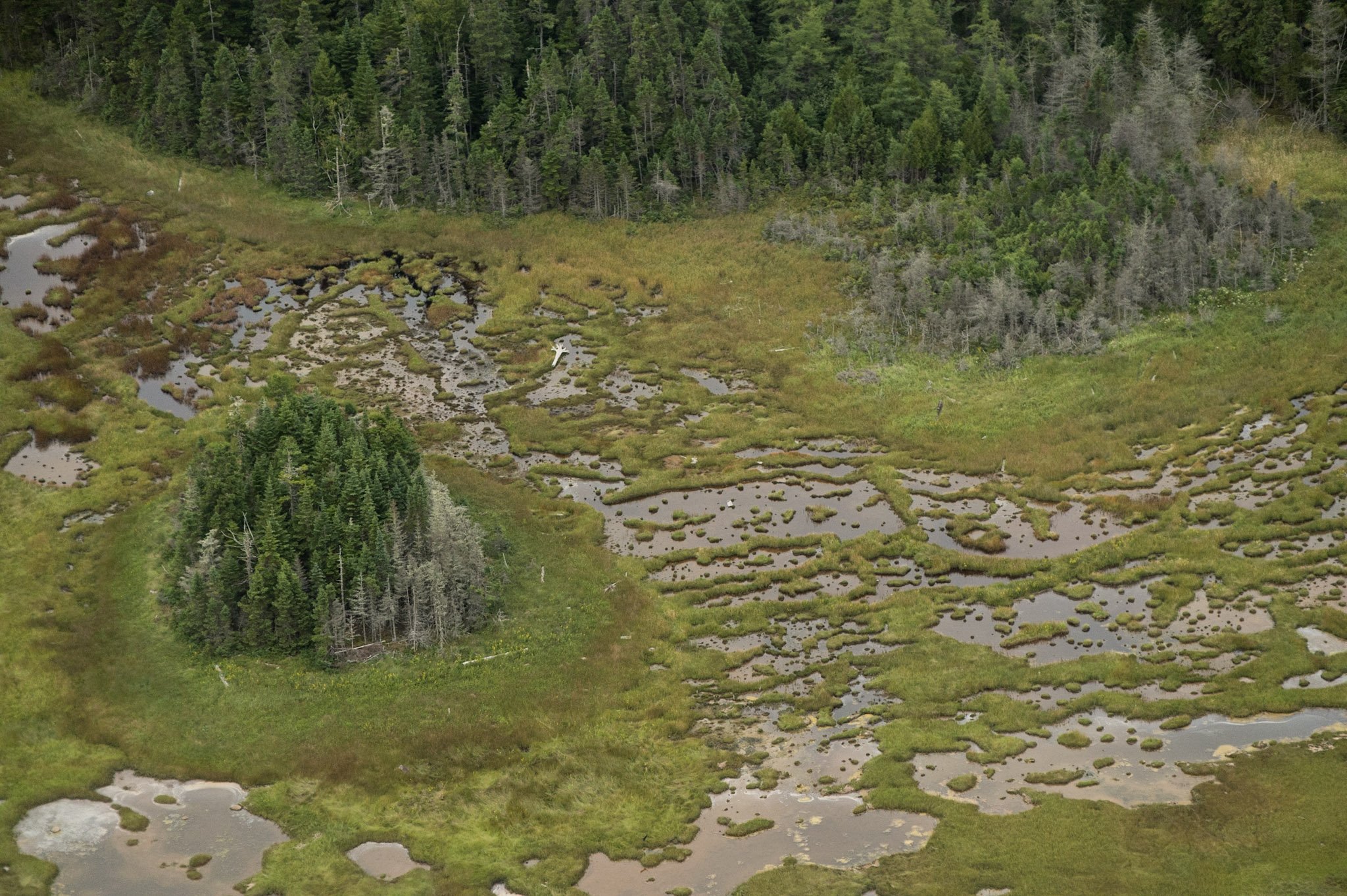
Photo credit: Nick Hawkins
February 2, 2026
The Reform of New Brunswick’s Clean Air Act and Clean Water Act: Our Recommendations and What Comes Next
Those interested in environmental law and policy in New Brunswick may have had a busy autumn with the flurry of government environmental law reform initiatives. After taking office in 2024, the Holt government made several significant commitments on environmental law and policy, including to:
1. update the Clean Air Act and Clean Water Act to guarantee New Brunswick residents’ right to clean air and clean water;
2. develop and implement a coastal erosion plan to protect New Brunswick’s coastal communities;
3. increase restrictions on pesticide and herbicide use, including investigating alternatives and considering a ban on aerial spraying; and
4. increase the area of conserved lands and waters in New Brunswick.
This blog focuses on the first commitment—the reform of the “Clean Acts”—and highlights some of our staff lawyers’ recommendations, along with the anticipated next steps in the reform processes. We are also actively engaged in work related to the government’s coastal erosion and protection commitment: stay tuned for a future blog post on that work.
The “Clean Acts”
New Brunswick’s core environmental protection legislation is spread across three statutes: the Clean Environment Act enacted in 1973, the Clean Water Act enacted in 1989, and the Clean Air Act enacted in 1997. Collectively, these “Clean Acts” regulate activities that may harm the environment, primarily through permitting and approval systems.
While many other provinces and the federal government have moved toward more modern, integrated environmental protection legislation, New Brunswick continues to regulate pollution of land, water, and air under separate legal frameworks. As their names suggest, the Clean Air Act regulates activities that pollute the air; the Clean Water Act regulates activities that pollute water and industrial uses of water and provides a framework for the protection of wetlands, waterways, and drinking water supplies; and the Clean Environment Act sets out the framework for contaminated sites remediation, enables wetland and coastal area protection tools, and sets out New Brunswick’s environmental impact assessment framework.
There have been no major reforms since the Clean Air Act was enacted in the 90s, and in the face of mounting pressures from climate change and ecosystem degradation, modernization of the Clean Acts is long overdue.
We have recommended that the government’s reform efforts extend beyond the Clean Air Act and Clean Water Act to also include the Clean Environment Act. More broadly, we have encouraged the government to consider integrating the three Clean Acts into one consistent and cohesive environmental protection regime, recognizing that air, water, and the environment are interconnected.
A critical part of this modernization effort is the recognition and protection of New Brunswickers’ right to a healthy environment—rights that are not currently recognized in New Brunswick law.
The Review of the Clean Air Act
In September 2025, we appeared before the Legislative Assembly’s Standing Committee on Climate Change and Environmental Stewardship as part of its review of the Clean Air Act.
Compared to the Clean Water Act and the Clean Environment Act, the Clean Air Act has several notable strengths. For example, the Clean Air Act is the only Act of the three that gives residents the right to request the Department investigate alleged violations of the Act and sets out a process for responding to investigation requests. It is also the only one that includes a section describing the purposes of the Act.
In our presentation to the Standing Committee, we emphasized the importance of maintaining these strengths and made several recommendations to further strengthen the Clean Air Act framework, including recommendations to:
1. include clear recognition in the Act of New Brunswick residents’ right to clean air;
2. include a new prohibition in the Act on the release of air contaminants that could endanger human health or wellbeing;
3. strengthen enforcement of the Act and regulations and include new provisions in the Act requiring the publication of enforcement data online; and
4. include new provisions in the Act to allow citizen environmental protection actions for violations of the Act that are not enforced by the government.
These recommendations aim to acknowledge the connection between air quality and human health, provide stronger protection for ambient air quality, and improve compliance through new enforcement tools and greater transparency.
Our full brief to the Standing Committee with all of our recommendations can be found on our website here. The Standing Committee has also indicated that it plans to review the Clean Water Act, although to our knowledge, no dates have been set.
The Review of the Clean Water Act
In parallel with the Standing Committee’s work, the Department of Environment and Local Government has been conducting its own review of both the Clean Air Act and the Clean Water Act. This process included public consultation sessions and a written comment period in the fall of 2025. We submitted comments on both statutes.
Our submission for the Clean Water Act includes recommendations to:
1. increase collaboration with Indigenous governments and enable co-governance of watershed management and water-related decision-making in the Act;
2. include clear recognition in the Act of New Brunswickers’ rights to clean water and healthy watersheds;
3. add purposes and principles to the Act to guide decision-making and interpretation of the Act;
4. mandate the use of watershed-level management plans in the Act;
5. amend the Act to require the Minister to maintain a public, online database of permits and approvals, monitoring data, and enforcement actions; and
6. activate the Land and Water Advisory Committee required under the Act and including opportunities for rightsholders, stakeholders, and experts to participate.
These recommendations aim to strengthen water protection across the province, shift decision-making from the current permit-based framework toward a more proactive, watershed-based management framework, and support more informed and transparent decision-making.
Our full brief to the Department with all of our recommendations can be found on our website here.
Next Steps
The public consultation period for the Department of Environment and Local Government’s review of the Clean Air Act and Clean Water Act has now closed. According to the government’s consultation webpage for the Clean Air Act review and webpage for the Clean Water Act review, more than 500 New Brunswickers submitted feedback.
The Department has committed to publishing “What We Heard” reports summarizing the input received. The report for the Clean Air Act was expected by the end of January and the report for the Clean Water Act is anticipated in March.
The Department will also prepare law amendment recommendations for Cabinet. If the government decides to proceed, proposed amendments will be drafted and introduced in the Legislative Assembly as a bill. The bill must pass three readings, committee review, and a final vote before receiving Royal Assent and becoming law. Regulations needed to implement the amended Acts may then be developed through a separate regulatory process, which can also include public consultation.
We will continue to follow these reform processes and provide updates as things progress.

Richelle Martin
Staff Lawyer